If your home feels drafty in winter, stuffy in summer, or costs too much to heat and cool, the attic is the first place to look. ENERGY STAR asks whether you knew that 9 out of 10 homes in the U.S. are under-insulated, and says sealing and insulating the attic can save up to 10% on annual energy bills. [1] The word to notice is up to: your result depends on how little you have now and how leaky the ceiling is.
This guide walks the job in the order it should happen: check what you have, seal air leaks, deal with the safety traps, choose a material, decide between doing it yourself and hiring out, then confirm the result. Skipping the order is how people end up burying leaks, covering vents, or paying twice.
- Insulation level with or below the joists can mean you have only half the recommended level. [1]
- Seal air leaks first, then insulate. Insulation does not stop moving air.
- Vermiculite, old wiring, recessed lights and soffit vents decide whether a job is safe to start.
- Batts suit open attics, blown-in suits cluttered ones, and spray foam is a professional material.
- Get the final R-value in writing and verify depth yourself.
Step 1: check what you already have
Open the hatch and look at the attic floor. If the insulation sits level with or below the tops of the joists, ENERGY STAR says you may have only half the recommended level of insulation. [1] If the joists are visible, treat that as a clear sign you need more.
To turn depth into a number, ENERGY STAR says to take the depth in inches x 3 to get an estimated value. [2] That is a rough conversion because materials differ in R-value per inch, but it is good enough to see whether you are close to a target or far from it. For an existing home with an uninsulated attic, DOE’s 2022 Energy Saver Guide lists R30 to R49 in Zone 1 and R60 in Zones 7 and 8, and the zones in between have their own rows. [3] Those are described as cost-effective levels based on local fuel and materials costs and weather, not as a legal minimum, so check local code too.
- Rooms under the attic that run hotter in summer or colder in winter than the rest of the house.
- Joists visible through the insulation, or insulation that is thin, matted down, wet or stained.
- Snow that melts unevenly on the roof, which can point to heat escaping through the ceiling.
- Bare patches around the hatch, chimney chase, plumbing stacks and light fixtures.
Step 2: air seal before you insulate
DOE describes insulation as a sweater: it keeps you warm when the air outside is cold, but it does not block the wind. [4] Air sealing is the windbreaker. ENERGY STAR makes the same point: insulation works best when air is not moving through or around it. [1] DOE also says that sealing uncontrolled air leaks can save 10% to 20% on heating and cooling bills. [3]
The usual attic leaks are gaps around the hatch, wiring and plumbing holes that pass through the ceiling, the tops of interior walls, chimney chases and recessed light housings. For small cracks, seams and holes, the Building America guidance is to seal them with caulk or spray foam sealants before the insulation goes in. [5] Around flues and chimneys, use only materials rated for the heat and keep combustibles away; if you are unsure, that part is a job for a professional.
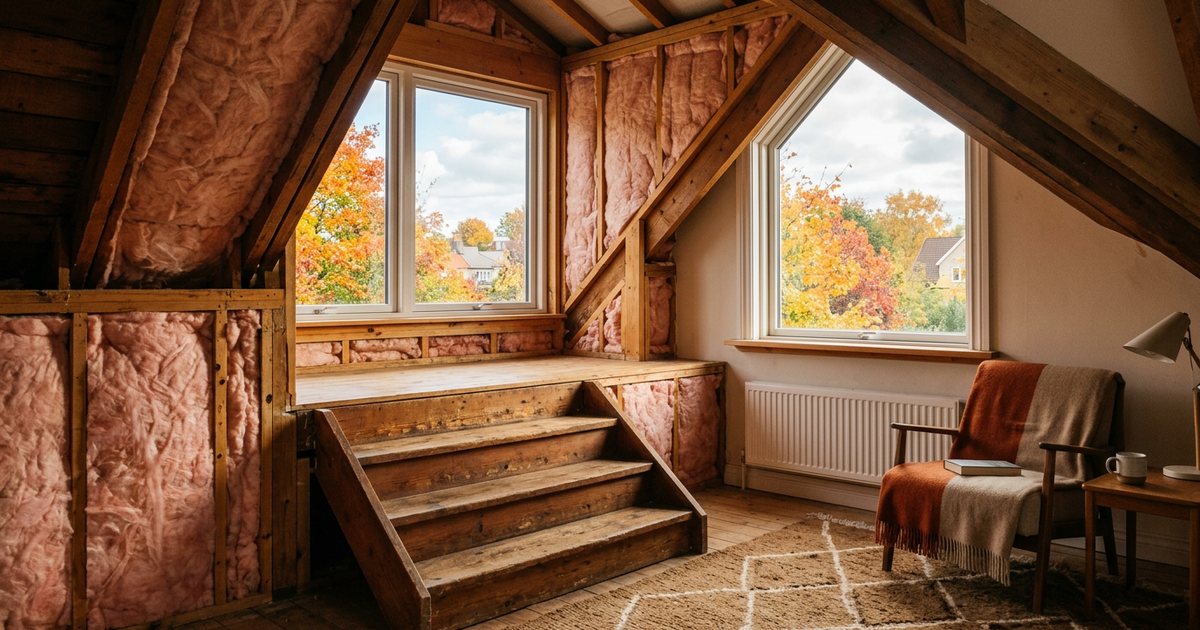
DIY leak hunting works for obvious gaps but not for small, hard-to-detect leaks, especially those in the attics of existing homes. [4] If you hire a contractor and they will not seal leaks first, ENERGY STAR’s advice is blunt: call another contractor. [2]
One caution applies to every air-sealing job. Air leaks can let in moisture that damages wood and leads to mold, and without proper ventilation, excessive water vapor and harmful combustible gases can accumulate in the home. [4] Sealing a house tighter makes ventilation matter more, so keep bathroom and kitchen fans working and have any gas appliances checked by a licensed professional if you tighten the house a lot.
Step 3: clear the safety traps
Attics are hot, dark and full of things that hurt. Step only on the joists, wear gloves, eye protection and a dust mask or respirator, work in the cooler part of the day, and carry a light. Beyond the physical hazards, four items can stop the job.
- Vermiculite. Some attics have vermiculite insulation, which may contain asbestos. [6] Do not disturb it. Stay out, and have it tested by a qualified professional before anything else happens.
- Old wiring. In older homes, knob-and-tube wiring can be a fire hazard when in contact with insulation. [2] If you see ceramic knobs and cloth-wrapped wire, get an electrician to evaluate it before insulation goes anywhere near it.
- Recessed lights. Keep all insulation at least 3 inches away from recessed can lights unless they are rated IC (Insulated Ceiling), and never lay insulation over recessed light fixtures or soffit vents. [6] Insulation contacting recessed cans can cause fire hazards. [6]
- Soffit vents. Baffles, also called rafter vents, keep insulation from blocking the vents; Building America describes them as chutes that hold a 2 inch air gap between the underside of the roof deck and the insulation. [7]
Step 4: pick a material that suits the attic
Three families cover almost every attic job. The right one depends on how open the attic is, how many obstacles are in the way, and who is doing the work.
Batts and rolls
Batts suit open attics with regular joist spacing and few obstructions. The quality markers are no gaps, voids, compression, or misalignment with air barriers, and batts should be split to fit snugly around any wiring or pipes. [5] A batt jammed into a space that is too small loses much of its value.
Loose-fill (blown-in)
Loose-fill flows around wires, ducts and framing, which makes it a good fit for attics with lots of obstacles. DOE notes it should be blown into spaces using special pneumatic equipment. [3] ENERGY STAR rates the skill level for blown-in work as intermediate, and says performance is also highly dependent on the quality of the installation. [8]
Spray foam
Spray foam gives more R-value in less thickness, which is why DOE points to it for exterior walls and cathedral ceilings. [3] Foam is not a casual DIY material: ENERGY STAR lists it as advanced and calls for a certified installer. [8] When used at the roof deck it can serve as the air barrier if it is at least 5.5 inch thick open-cell or at least 1.5 inch thick closed-cell. [7] For a plain attic floor, it is usually more material than the job needs.
Step 5: decide between DIY and a contractor
ENERGY STAR calls attic insulation generally a moderately difficult do-it-yourself project. [6] That fits an open attic, an easy hatch and batts or rented blown-in equipment. It fits less well when the attic is cramped, the wiring is old, there is vermiculite, or the ceiling has many recessed lights.
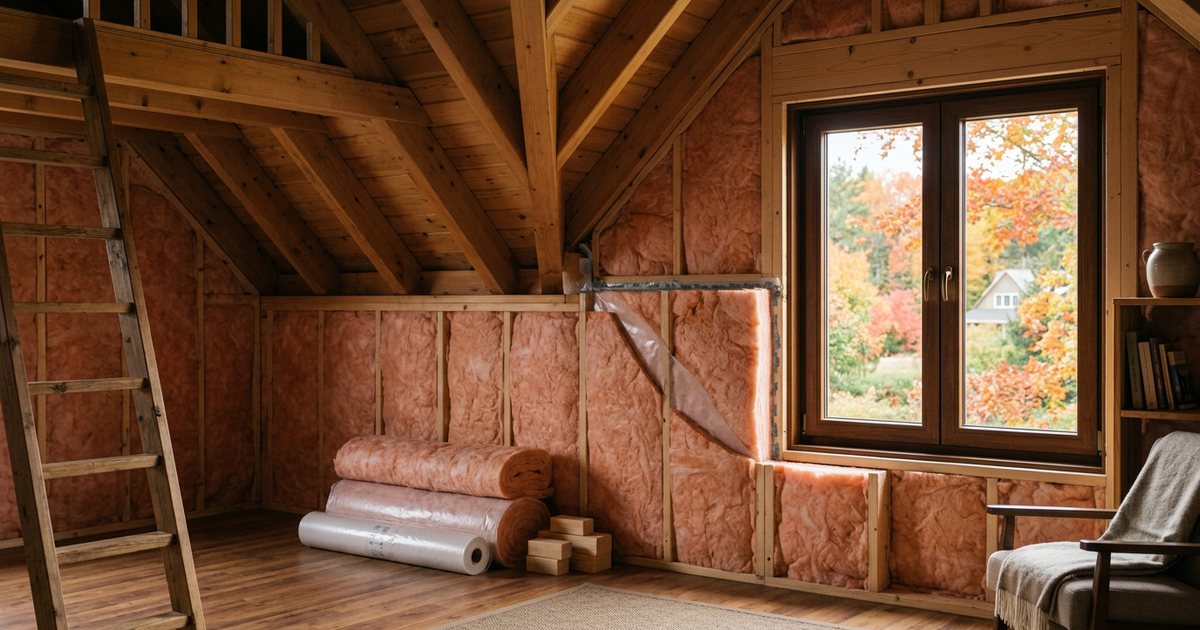
If you hire, ENERGY STAR says a good contractor has a license to work in your state, has insurance, and is trained and certified to do the work. [9] Every estimate should include baffles so soffit vents stay clear, and it is usually not necessary to remove existing insulation. [9] Ask the contractor for documentation of the insulation added and the new R-value; ENERGY STAR says this is required. [2]
Be wary of the DIY blower rental if you have never run one. HomeAdvisor notes that improper use can lead to uneven insulation or equipment damage. [10]
Step 6: confirm the result
When the work is done, check four things. Measure depth in several places and convert it with the depth x 3 rule. [2] Confirm the baffles are in and the vents are clear. Confirm the hatch is insulated and gasketed like the rest of the ceiling. Compare the final R-value on the paperwork with the number you were quoted.
Set expectations honestly. DOE says that adding insulation to attics, floors, crawl spaces and accessible rim joists, along with reducing air leaks, can save up to 20% on heating and cooling costs or up to 10% on total energy costs. [11] Where you land depends on your starting point: topping up an attic that already has a decent layer will usually save less than moving from almost nothing to a full layer.
On money: the federal energy efficiency tax credit for insulation ended for property placed in service after 2025, so plan the budget without it. [12] Utility rebates and state programs may still help, and income-qualified households can ask about the Weatherization Assistance Program.
FAQ
How do I know if I need more attic insulation?
Look at the attic floor. If the insulation is level with or below the joists, you may have only half the recommended level, according to ENERGY STAR. [1] Measure the depth in inches and multiply by 3 for a rough R-value. [2]
Should I remove the old insulation first?
Usually not. ENERGY STAR says it is usually not necessary to remove existing insulation. [9] Removal makes sense when it is wet, moldy, smelly or contaminated, and vermiculite should be tested before anyone touches it.
Can I put insulation over recessed lights?
Not over non-IC fixtures. Keep insulation at least 3 inches away from can lights unless they are rated IC, and never lay it over recessed fixtures or soffit vents. [6] Replacing old cans with sealed IC-rated fixtures is a common fix.
Is blown-in or batt insulation better for an attic?
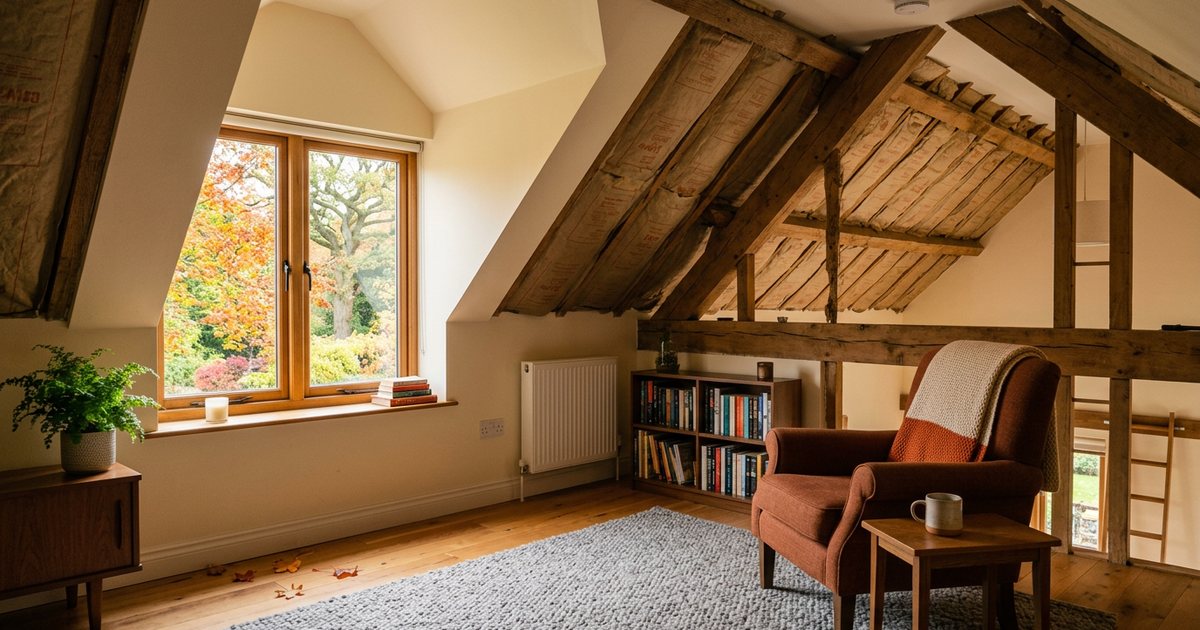
Neither wins everywhere. Batts work in open attics when installed without gaps or compression, while blown-in handles obstacles and irregular spacing but needs special equipment. [5] [3] Installation quality matters more than the label. [8]
Do not disturb suspected vermiculite, do not insulate over knob-and-tube wiring, and do not cover recessed non-IC lights or soffit vents. Hire a licensed professional for spray foam, chimney or flue areas, electrical concerns and any attic that is cramped, steep or unsafe to walk. Sealing the house tighter also calls for adequate ventilation.
Sources
- ENERGY STAR Certified Insulation fact sheet (June 2023). U.S. EPA ENERGY STAR, accessed 2026-10-12
- Well-Insulated and Sealed Attic (ENERGY STAR Home Upgrade). U.S. EPA ENERGY STAR, accessed 2026-10-12
- Tips on Saving Money and Energy in Your Home (Energy Saver Guide, 2022). U.S. Department of Energy (EERE), accessed 2026-10-12
- Consumer Guide to Air Sealing the Home (DOE/EE-2470). U.S. Department of Energy (EERE), accessed 2026-10-12
- Batt Insulation for Existing Vented Attics (Building America Solution Center). U.S. DOE Building America Solution Center (PNNL), accessed 2026-10-12
- Attic Insulation Project. U.S. EPA ENERGY STAR, accessed 2026-10-12
- Air Sealing and Insulating Ceilings in Vented Attics (Building America Solution Center). U.S. DOE Building America Solution Center (PNNL), accessed 2026-10-12
- Choosing the Appropriate Insulation Type (ENERGY STAR Certified Insulation). U.S. EPA ENERGY STAR, accessed 2026-10-12
- How to Hire an Attic Insulation Contractor. U.S. EPA ENERGY STAR, accessed 2026-10-12
- Cost to Install Blown-In Insulation (2025). HomeAdvisor (contractor marketplace), accessed 2026-10-12
- Guide to Home Insulation (DOE/EE-0340, October 2010). U.S. Department of Energy (EERE), accessed 2026-10-12
- FAQs for modification of sections 25C, 25D, 25E, 30C, 30D, 45L, 45W and 179D under Public Law 119-21 (OBBB), FS-2025-05. Internal Revenue Service, accessed 2026-10-12
Savings, costs and rebate figures are estimates from the dated sources cited on each page; your results depend on your home, climate and utility rates, and incentive programs change often. Gas, venting and electrical work belongs with a licensed professional. This is general information, not financial, tax or legal advice. As an Amazon Associate we earn from qualifying purchases.