Duct sealing means closing the joints, seams and holes in the ducts that carry heated and cooled air so the air you paid to condition actually reaches your rooms. The reliable do-it-yourself method is mastic, a thick paste, brushed over every accessible joint and often reinforced with fiberglass mesh tape. ENERGY STAR reports that in typical homes about 20 to 30 percent of the air that moves through the duct system is lost to leaks, holes and poorly installed ducts. [1]
This guide covers where to start, the three gap-size methods used in the Department of Energy’s weatherization training, why ordinary cloth duct tape is the wrong material, what a professional adds, and where DIY stops. Ducts running through an attic, crawl space or garage matter most, because a leak there wastes conditioned air and pulls in air from a space you do not want to be breathing.
- Mastic, usually reinforced with mesh tape, is the standard DIY material, and DOE studies show plain duct tape fails within months. [2]
- In typical homes about 20 to 30 percent of the air moving through ducts can be lost to leaks. [1]
- Match the method to the gap: under 1/4 inch, 1/4 to 3/4 inch, and over 3/4 inch each get a different build-up. [3]
- Have a qualified professional test the result for combustion safety and airflow. [4]
Why sealing ducts is worth the weekend
A duct leak is a double loss. Supply-side leaks dump heated or cooled air into the attic or crawl space, and return-side leaks pull dusty, hot or cold air into the system. ENERGY STAR says leaky ducts can reduce heating and cooling system efficiency by as much as 20 percent, and that sealing can often pay for itself in energy savings. [5]
DOE’s Building America air sealing guide says sealing leaks across a house can save 10% to 20% on heating and cooling bills, and more in an older or especially leaky house. That figure covers sealing leaks across the whole house, not ducts alone, so do not treat it as a promise for ducts by themselves. [2]
Duct leaks also affect safety. ENERGY STAR says leaky ducts can draw combustion gases back into the living space rather than outdoors (backdrafting), and that sealing leaks can minimize this risk. [1] [5] That is one reason the professional-testing advice later in this guide is not optional boilerplate.
Find and rank the leaks before you buy anything
Start where you can see the ducts. Walk the attic, crawl space, basement and garage with a flashlight and look at every plenum connection, branch takeoff, boot (the box where a duct meets a register opening) and elbow. Gaps, disconnected sections, crushed flex duct and old tape that has curled away are all targets.
Rank what you find by how much air moves through it. The biggest wins are usually the connections at the air handler or furnace, the plenum seams, and the boots where the duct meets the floor, ceiling or wall. ENERGY STAR’s advice for homeowners is to seal the leaks and holes you can access using duct sealant (mastic) or metal-backed (foil) tape. [1]
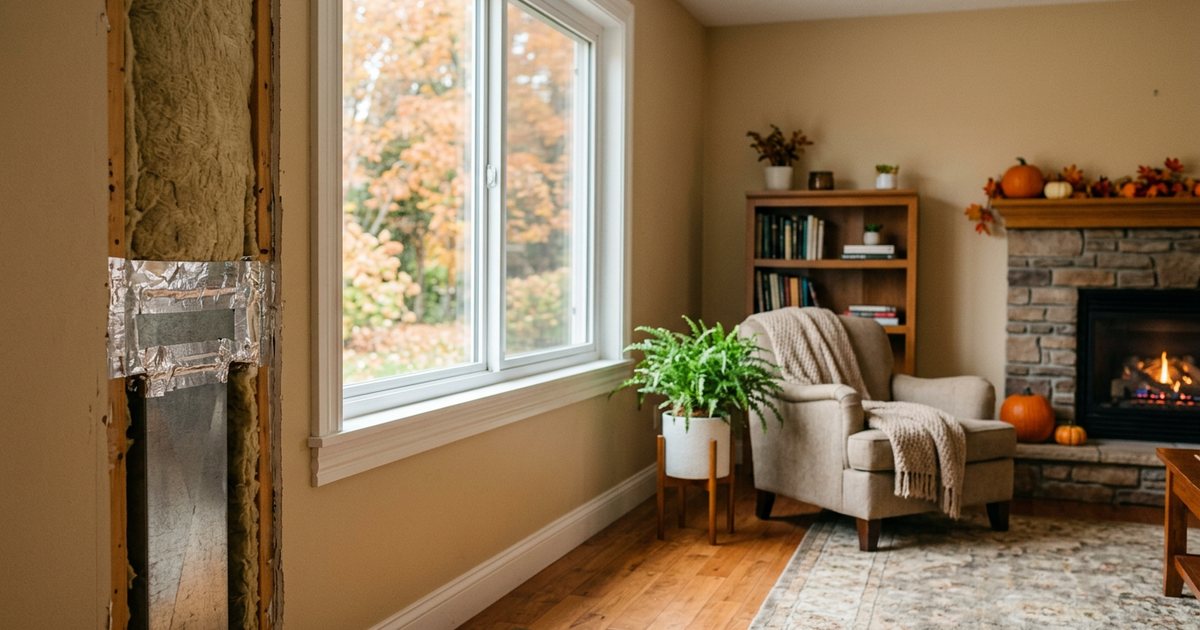
If a joint is hot to the touch in summer attic air or you can feel air moving at a seam with the system running, that is a leak. Hidden ducts inside finished walls, floors and ceilings are not a DIY problem. They need a contractor with testing equipment.
Seal by gap size: the three mastic methods
The DOE weatherization job aid for sealing ducts with mastic sorts jobs by the size of the gap. The method matters more than the brand of paste. [3]
Method A: small gaps
Method A covers small gaps (less than 1/4 inch), including all joints, seams and cracks in the duct system. Wrap the joint with fiberglass mesh tape, then cover the tape and surrounding metal with mastic. [3] A Building America DIY guide says mastic paste should be applied to a minimum thickness of a nickel coin, covering the taped area and a minimum of 1-2 inches beyond. [6]
Method B: medium gaps
Method B is for medium gaps (1/4 to 3/4 inch), such as minor holes and penetrations. A temporary backer such as UL-listed tape or mesh goes in first, then mesh is pushed into the mastic, and finally more mastic goes on, extending at least 1 inch past the edges of the tape in all directions. [3]
Method C: large gaps and holes
Method C is for gaps or holes larger than 3/4 inch. These get a mechanically fastened patch over the opening plus mastic and mesh, not paste alone. [3] For rigid duct joints, a separate Building America DIY guide calls for at least three self-piercing sheet metal screws before mastic. Duct board cannot be held together with screws. [6]
What to avoid: cloth tape and gaps in the wrong places
The silver cloth tape sold as duct tape is the classic mistake. DOE studies show duct tape fails within months. [2] The building science checklist notes that over time the adhesive of the tape can fail, resulting in air leaks. [6] Old cloth tape on your ducts may already have let go.
Foil tape is a legitimate material, but only the listed, metal-backed kind. The duct sealing and insulation checklist specifies UL-approved mastic, UL 181 tape, or an equivalent such as aerosol sealant. [7] The separate mastic versus foil tape comparison on this site covers when each is the better call.
Do not seal over a duct that is simply too long, kinked or crushed. Sealing makes a good duct tighter. It does not fix a bad layout. Treat the air handler cabinet carefully: DOE’s job aid says to seal unnecessary holes in it with UL-listed butyl tape. [3] Do not block anything that has to open for filter changes or service.
When a professional (or aerosol sealing) makes sense
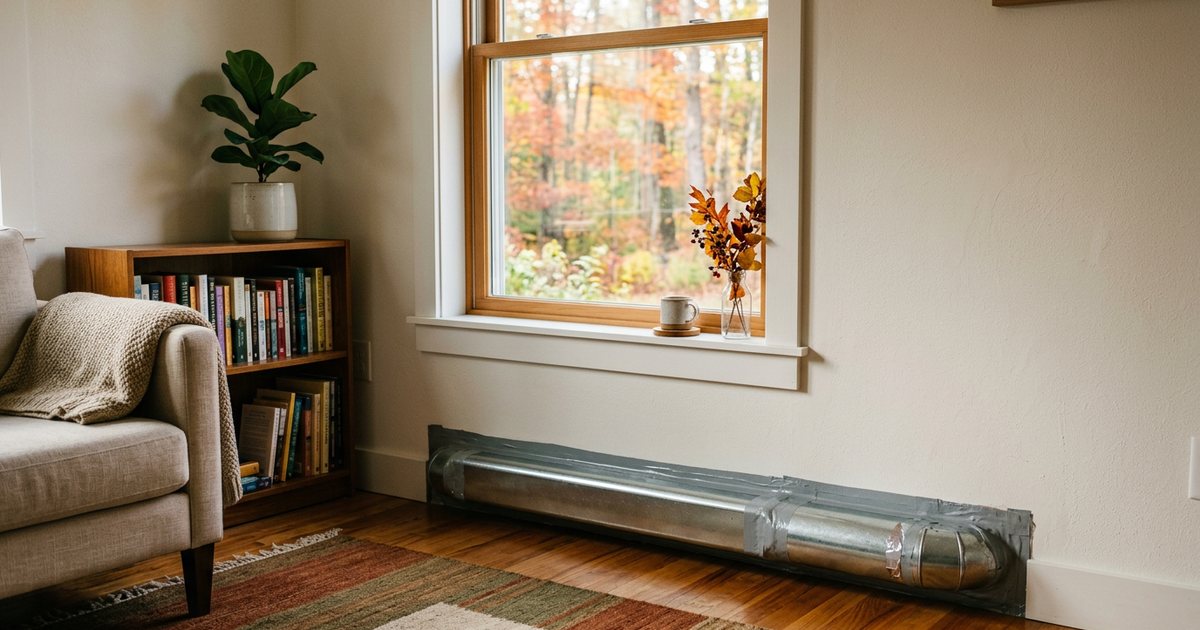
Aerosol sealing injects sealant particles into a pressurized duct system so they stick at the leaks from the inside. It reaches leaks you cannot see. It has limits: the process does not seal leaks in the return, at the air handler, or at the junction between registers and finish surfaces, and gaps larger than 5/8 in. are recommended to be sealed by hand with mesh tape and mastic. [8] It is also less suitable for systems already below 40 to 60 CFM of leakage. [8]
Most local codes require a licensed HVAC contractor for this work. [8] The next article in this category, on duct sealing cost, compares hand sealing and aerosol sealing prices.
Testing is the other reason to call a pro. DOE says all duct sealing should be tested by a qualified professional to ensure combustion safety and proper air flow. [4] A good result is measurable: the building science checklist gives a leakage target of preferably 10% or less of total air flow, tested before and after. [7]
A simple weekend plan
Work from the equipment outward, so you are always sealing a section you have already inspected.
- Turn the system off at the thermostat and wear gloves, eye protection and a dust mask; attic insulation and sharp sheet metal are the real hazards.
- Wipe each joint with a dry rag so the mastic bonds to clean metal.
- Seal the furnace or air handler connections and the plenum seams first.
- Seal the boots, then the branch takeoffs, then the longer run joints.
- Let the mastic cure as the product label directs before turning the system back on.
- Re-inspect a few days later and touch up thin spots or pinholes.
FAQ
Can I seal ducts myself?
For accessible ducts, yes. ENERGY STAR advises homeowners to seal the leaks and holes they can access with mastic or metal-backed tape. [1] Ducts inside walls and ceilings, and any work near gas appliances, should go to a contractor.
How thick should the mastic be?
A building science DIY guide says to apply it to a minimum thickness of a nickel coin and cover the taped area plus a minimum of 1-2 inches beyond. [6]
Why not use regular duct tape?
DOE studies show duct tape fails within months, which is why mastic is the recommended sealant. [2]
Will sealing ducts lower my bill?
It often does, and ENERGY STAR says it can often pay for itself in energy savings, though the amount depends on how leaky the ducts were. [5] There is no honest single savings number for every house.
Do I need to seal return ducts too?
Yes, where you can reach them. Leaks on the return side pull unconditioned air into the system, and ENERGY STAR says sealing duct leaks can minimize the risk of backdrafting, so accessible returns and the air handler cabinet belong on the list. [5]
Sealing ducts can change pressures in your house. If you have a gas furnace, gas water heater or fireplace, have a qualified professional check combustion safety and airflow after the work, and install carbon monoxide alarms. Do not disturb vermiculite insulation or old wrapped duct insulation that might contain asbestos; get it tested first.

Sources
- Duct Sealing with ENERGY STAR (flyer). ENERGY STAR (U.S. EPA/DOE), accessed 2026-10-12
- Retrofit Techniques and Technologies: Air Sealing (Building America Best Practices Series Vol. 10). U.S. Department of Energy (EERE Building America), accessed 2026-10-12
- Job Aid 19-1: Seal Ducts With Mastic (Weatherization Assistance Program). U.S. Department of Energy / NREL (Weatherization job aid), accessed 2026-10-12
- Tips on Saving Money and Energy in Your Home (Energy Saver Guide 2022). U.S. Department of Energy (Energy Saver), accessed 2026-10-12
- Benefits of Duct Sealing. ENERGY STAR (U.S. EPA/DOE), accessed 2026-10-12
- Air Seal and Repair Ducts (DIY guide). Building America Solution Center (PNNL, U.S. DOE), accessed 2026-10-12
- Duct Sealing and Insulation (Home Improvement Expert checklist). Building America Solution Center (PNNL, U.S. DOE), accessed 2026-10-12
- Injected Spray Sealant for Existing HVAC Ducts (aerosol sealing). Building America Solution Center (PNNL, U.S. DOE), accessed 2026-10-12
Savings, costs and rebate figures are estimates from the dated sources cited on each page; your results depend on your home, climate and utility rates, and incentive programs change often. Gas, venting and electrical work belongs with a licensed professional. This is general information, not financial, tax or legal advice. As an Amazon Associate we earn from qualifying purchases.