A home energy audit is a structured inspection of your house that ends with a ranked list of fixes. The auditor looks at the building shell, the heating and cooling equipment and your past energy use, then tells you which upgrades are worth doing first. The value is the ranking: instead of guessing between new windows, more attic insulation and a new furnace, you get an order of operations based on how your particular house loses energy.
This guide walks through what happens on the day, what the written report should contain, how to prepare so the visit is productive, and how to turn the report into a plan. Costs and free options have their own articles, so the focus here is on the process and on how to read the results.
- An audit is mainly valuable for the ranked list it produces, not the inspection itself.
- A good report starts from your past bills and ranks work by safety, comfort and cost-benefit.
- A blower door test shows where air leaks, which helps sequence sealing before equipment sizing.
- Treat modeled savings as ranges, and fix safety issues first.
- The federal credit that once covered audits ended after December 31, 2025.
What an auditor actually does in your house
ENERGY STAR describes a home performance assessment as a visual inspection of the exterior, interior, home envelope and all mechanical systems to determine their condition. [1] In practice that means the auditor walks every room, checks the attic and any crawl space or basement, looks at the water heater and the heating and cooling equipment, and notes anything that looks like a leak, a gap or a missing layer of insulation.
Many audits also include a blower door test. A fan is sealed into an exterior doorway and pulls air out of the house, which makes leaks show up as moving air that the auditor can feel or trace. Contractor marketplace Sealed notes that auditors may do a blower door test to measure how much air leakage there is in your home. [2] The U.S. Department of Energy makes the same point from the homeowner side: better yet, hire an energy auditor with a blower door to point out the worst cracks. [3]
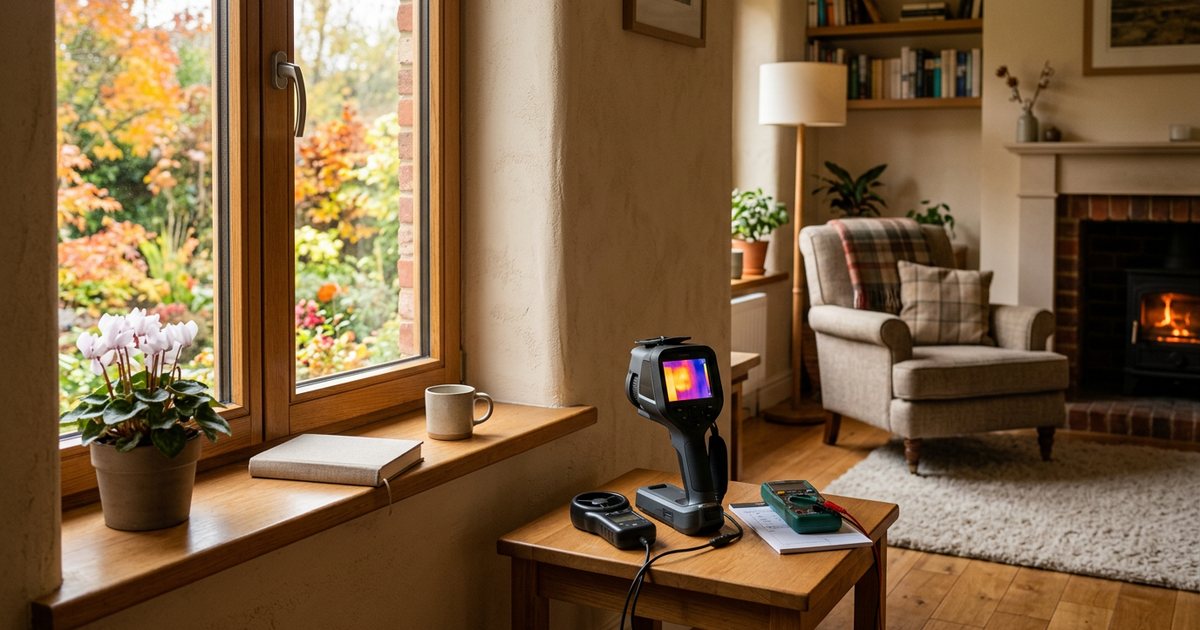
Some auditors may also offer extras such as infrared imaging, duct leakage testing or a combustion safety check. What is included varies by company and program, so ask before you book.
What the report should contain
The report is the product. ENERGY STAR lists two items a good assessment should include besides the inspection itself: a review of historical energy use in your home, if available, to serve as a benchmark for projected savings estimates, and a prioritized list of improvement measures based on health and safety issues, comfort, and overall cost-benefit. [1]
Notice the order of that ranking. Health and safety come first, then comfort, then cost-benefit. A report that skips the safety items and jumps straight to the largest projected savings is missing something. Gas appliance venting, combustion air and carbon monoxide problems are the sort of finding that should sit at the top of the list, and any repair involving gas, venting or electrical work belongs to a licensed professional.
- A summary of what was inspected and what was measured, including any blower door result.
- A benchmark from your past utility bills, so projected savings are tied to your actual usage.
- A ranked list of improvements. Ask whether it includes estimated costs and savings, since the sources here do not say every report does.
- Flags for health and safety issues such as combustion appliances, moisture or old wiring.
- Notes on which jobs are DIY-friendly and which need a contractor.
How to prepare so the visit pays off
The auditor can only match the house to your bills if you have the bills. Gather twelve months of electric and gas statements, or ask your utility for a usage history. If the house has a comfort problem, such as a cold bedroom, a hot upstairs or a drafty living room, write it down with the room and the time of day. Those notes steer the inspection toward the problems you actually feel.
Clear access to the attic hatch, the furnace and water heater, and the panel. If you know where recessed lights, bath fans and chimney chases are, mention them, because they are common leakage paths. Tell the auditor about any past work, such as insulation added or windows replaced, so the report does not recommend what you already did.
- Twelve months of electric and gas bills or a utility usage history.
- A short list of comfort complaints by room.
- Access to the attic, basement or crawl space, mechanical room and electrical panel.
- Notes on previous insulation, window, duct or equipment work.
- Your goals: lower bills, more comfort, or both.
Reading the results: a decision rule for the upgrade list
Start with anything marked as a safety issue. Then work the list by cost: cheap fixes that address large leakage paths first, then insulation where it is thin, then equipment. The DOE Energy Saver guide says that by sealing uncontrolled air leaks, you can save 10%-20% on your heating and cooling bills. [4] That is a DOE estimate for sealing in general, not a promise for your house, but it is the reason sealing usually ranks near the top of an audit report.
Treat the savings estimates in a report as ranges. They are modeled, not measured, and your habits, your climate and your utility rates all move the real number. A useful rule is to prefer measures that also fix comfort or safety, because those pay back even if the dollar savings come in lower than projected.
When to ask for a second opinion
If the report recommends expensive equipment replacement without a blower door number or any look at the building shell, ask why. Equipment sized for a leaky, under-insulated house will be larger than the same house needs after sealing and insulating, so envelope work usually comes before sizing a new system. If one auditor and one contractor disagree, ask each to show the measurement behind the recommendation.
Who performs audits and how to choose
Audits come from utility programs, state energy offices, independent energy consultants and home performance contractors. DOE suggests asking your utility company or state energy office when you want to schedule an energy audit for more expert advice on your home as a whole. [3] Starting there is sensible because some utility-run programs set a standard scope or price, though what is offered varies by utility.
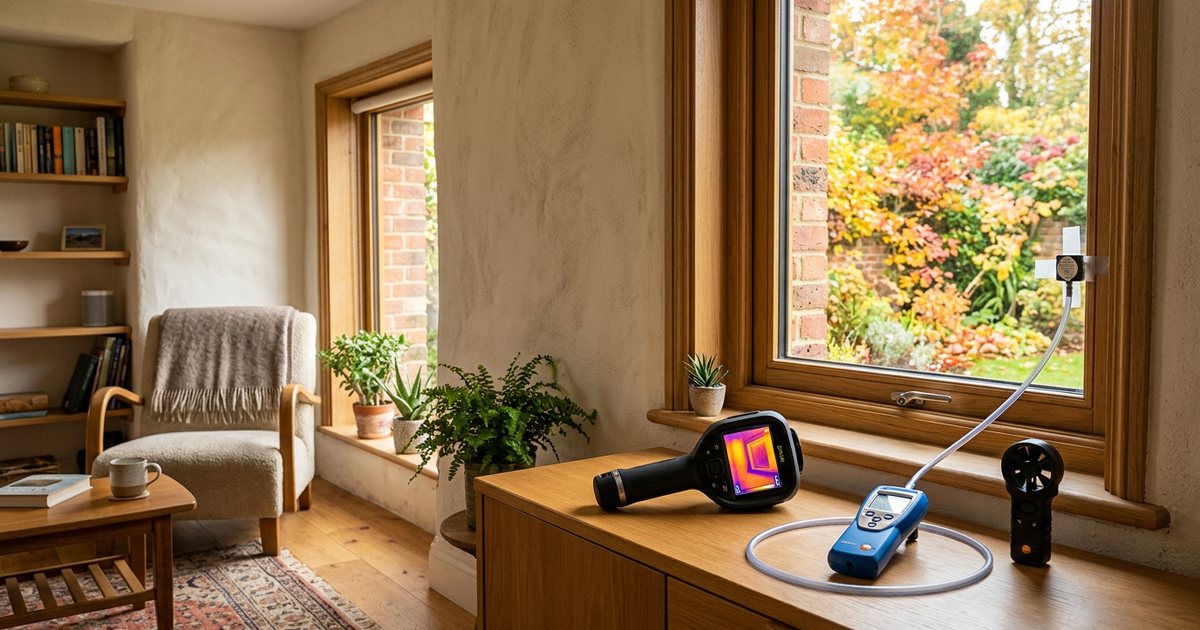
Be careful about one conflict of interest. An auditor who also sells insulation, windows or HVAC equipment has a reason to find work for the company. That is not automatically a problem, but ask to see the measurements behind each recommendation and consider getting a second quote for any large job. Ask how the auditor will report results, whether you receive the written report even if you do not hire the company for the work, and what testing equipment will be used.
The federal audit credit has ended
The federal 25C Energy Efficient Home Improvement Credit once included a limit of $150 for home energy audits, according to the IRS instructions for its credit form (Form 5695). [5] That credit ended: the IRS says it is not allowed for property placed in service after December 31, 2025. [6] Do not plan an audit around a federal tax credit for work in 2026 or later. Ask your utility and your state energy office about current programs, and confirm anything tax-related with a tax professional or the IRS.
FAQ
How long does a home energy audit take?
It depends on the size of the house and the tests included. The auditor can give you a time estimate when you book, based on your house and the tests included. Ask whether the written report arrives the same day or later.
Do I need to be home during the audit?
Yes, usually. The auditor needs access to every room, the attic and the mechanical equipment, and will want to ask you about comfort problems and bill history. Your answers help the auditor target the inspection.
What is a blower door test?
It is a fan mounted in an exterior doorway that pulls air out of the house so leaks can be located and measured. Sealed notes that auditors may do this test to measure how much air leakage there is. [2]
Should I do the upgrades in the order the report lists them?
Mostly yes. Safety items come first, and then the report ranks by comfort and cost-benefit. If your budget is limited, you can still do the cheapest sealing and insulation items first and save larger equipment decisions for later.
Is an energy audit worth it for a small or newer house?
It can be, because even newer houses can have leaks around attic hatches, ducts and penetrations. If the house is small and you already know the obvious problems, a DIY checklist walkthrough may be enough. A professional audit adds the most when you cannot tell where the problem is.

An audit finds problems but does not fix them, and its savings figures are estimates. Never attempt gas appliance, venting or electrical repairs yourself: hire a licensed professional. Sealing a house tighter can trap moisture and combustion byproducts, so ask the auditor how ventilation and combustion air will be handled before any sealing project.
Sources
- Home Performance Assessment. ENERGY STAR (EPA/DOE), accessed 2026-10-12
- Home energy audit: Costs, how-to, and what is included (Sealed, home-efficiency contractor, not a primary source). Sealed (contractor marketplace), accessed 2026-10-12
- Home Energy Checklist (FEMP). U.S. Department of Energy (FEMP), accessed 2026-10-12
- Tips on Saving Money and Energy in Your Home (Energy Saver Guide 2022). U.S. Department of Energy (Energy Saver), accessed 2026-10-12
- Instructions for Form 5695 (2025), Residential Energy Credits. Internal Revenue Service, accessed 2026-10-12
- FAQs for modification of sections 25C, 25D, 25E, 30C, 30D, 45L, 45W, and 179D under Public Law 119-21 (IRS FS-2025-05, Aug. 21, 2025). Internal Revenue Service, accessed 2026-10-12
Savings, costs and rebate figures are estimates from the dated sources cited on each page; your results depend on your home, climate and utility rates, and incentive programs change often. Gas, venting and electrical work belongs with a licensed professional. This is general information, not financial, tax or legal advice. As an Amazon Associate we earn from qualifying purchases.