Leaky ducts show up as rooms that never reach the thermostat setting, dusty air, high bills and a system that runs constantly. To find them, start with a visual inspection of every accessible joint, boot and plenum, then confirm suspected leaks by feel with the system running. The fix for most accessible leaks is mastic and mesh tape. ENERGY STAR says about 20 to 30 percent of the air that moves through the duct system in typical homes is lost to leaks, holes and poorly installed ducts. [1]
This guide is about diagnosis: the symptoms that point to duct leaks, how to inspect your own system in an hour, what a professional test measures, and how to decide between a DIY fix and a call to a contractor. Sealing technique itself is covered in the duct sealing guide.
- About 20 to 30 percent of air moving through typical duct systems can be lost to leaks. [1]
- Inspect equipment connections, plenums, boots and flex duct first; they are common trouble spots.
- A professional test is the only way to put a number on leakage; one building science checklist’s target is preferably 10% or less. [2]
- Return leaks can contribute to backdrafting, so do not treat them as an energy-only issue. [3]
Symptoms that point to leaky ducts
No single symptom proves a duct leak, but a cluster is a good reason to look. The common ones are rooms far from the equipment that are always hotter or colder than the rest, a system that runs long cycles without catching up, rooms that feel stuffy, and dust that returns quickly after cleaning. Energy bills that seem high for the size of the house and the climate are another hint.
Ducts in unconditioned space make everything worse. A supply duct in a hot summer attic loses cooling at every gap, and a return duct in the same attic can pull attic air into the house. ENERGY STAR notes that leaky ducts can reduce heating and cooling system efficiency by as much as 20 percent. [4]
Leaks can also create pressure problems. Leaky return ducts can create negative pressures, which may lead to radon problems or combustion equipment backdrafting, according to EPA. [3] That makes a suspected return leak more than an energy issue.
A one-hour DIY inspection
You need a flashlight, a dust mask, gloves, and the system running. Work from the equipment outward.
- Look at the furnace or air handler cabinet. Open seams, unsealed holes and loose duct connections are common. DOE’s weatherization training says to seal unnecessary holes in the air handler cabinet with UL-listed butyl tape. [5]
- Check the plenum and the first few feet of trunk line, a common spot for leaks.
- Inspect every boot, the box where the duct meets a register opening, plus every branch takeoff and elbow.
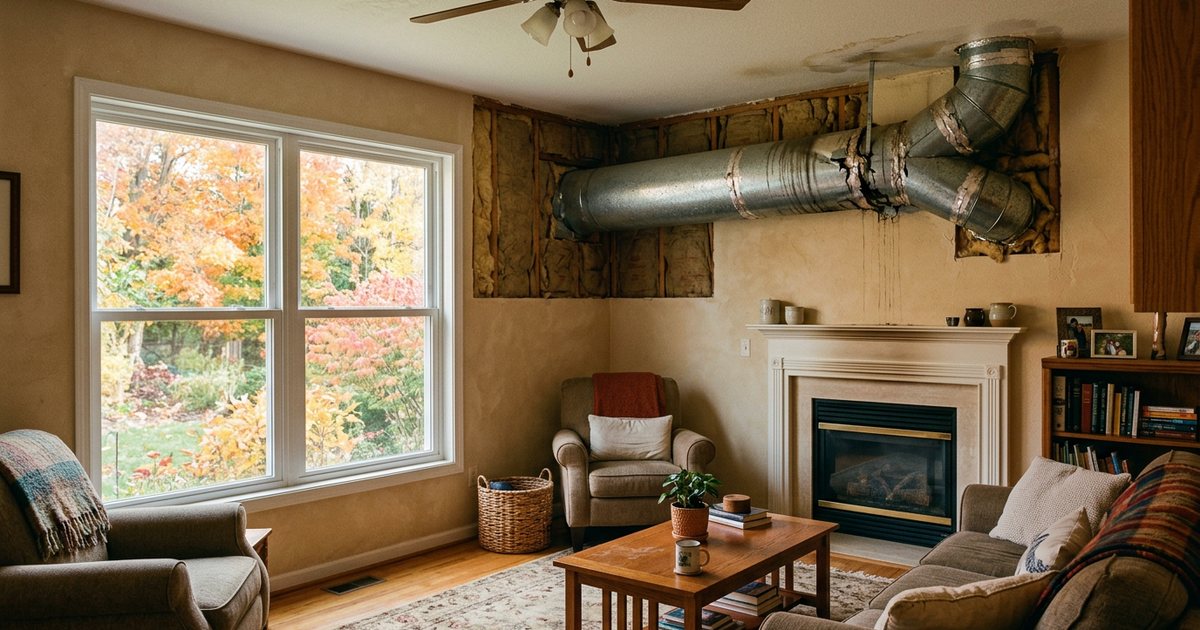
- Look for flex duct that is crushed, kinked, sagging or pulled off its collar.
- Run the back of your hand along joints with the fan on and feel for moving air, or hold a lit incense stick near a joint and watch whether the smoke is pulled or blown.
- Note anything covered with cloth tape. DOE studies show duct tape fails within months, so old cloth tape is a leak waiting to be found. [6]
What a professional leakage test measures
A contractor with a duct tester pressurizes the system and reads how much air escapes. That is the only way to turn a hunch into a number, and to confirm the work afterward. A building science checklist gives a leakage target of preferably 10% or less of total air flow, tested before and after. [2]
Testing matters for safety too. DOE says all duct sealing should be tested by a qualified professional to ensure combustion safety and proper air flow. [7] Pressure imbalances also matter between rooms: the same checklist calls for transfer grilles or jump ducts where bedroom pressure differences reach 5 Pascals or more. [2]
Fixing what you find
Match the repair to the gap.
DOE’s mastic job aid sorts gaps into small (under 1/4 inch), medium (1/4 to 3/4 inch) and large (over 3/4 inch), and builds from mesh tape and mastic for small gaps up to a mechanically fastened patch plus mastic and mesh for large ones. [5]
For rigid duct joints, a Building America DIY guide calls for at least three self-piercing sheet metal screws before mastic, and notes that duct board cannot be held together with screws. [8] Disconnected flex duct gets reattached and clamped, then sealed.
Ducts in attic spaces also benefit from insulation after sealing, but seal first. Insulating over leaks hides them.
Leaks that are not in the ducts themselves
Some comfort complaints blamed on ducts are really about room-to-room pressure. A bedroom with a supply register but no return path will pressurize when the door is closed, pushing air out through cracks and starving the room of airflow. The fix is a transfer grille or jump duct, not more mastic.
Likewise, ducts that are far too long, undersized, or poorly laid out will leave rooms uncomfortable even when perfectly sealed. Sealing is the cheapest first step, and a professional load calculation or airflow assessment is the next step if the problem survives it.
Finally, remember that duct sealing is separate from air sealing the building shell, and the two are best planned together. DOE’s Building America air sealing report says sealing across the house can save 10% to 20% on heating and cooling bills, and more in an older or especially leaky house. [6]
When to call a professional
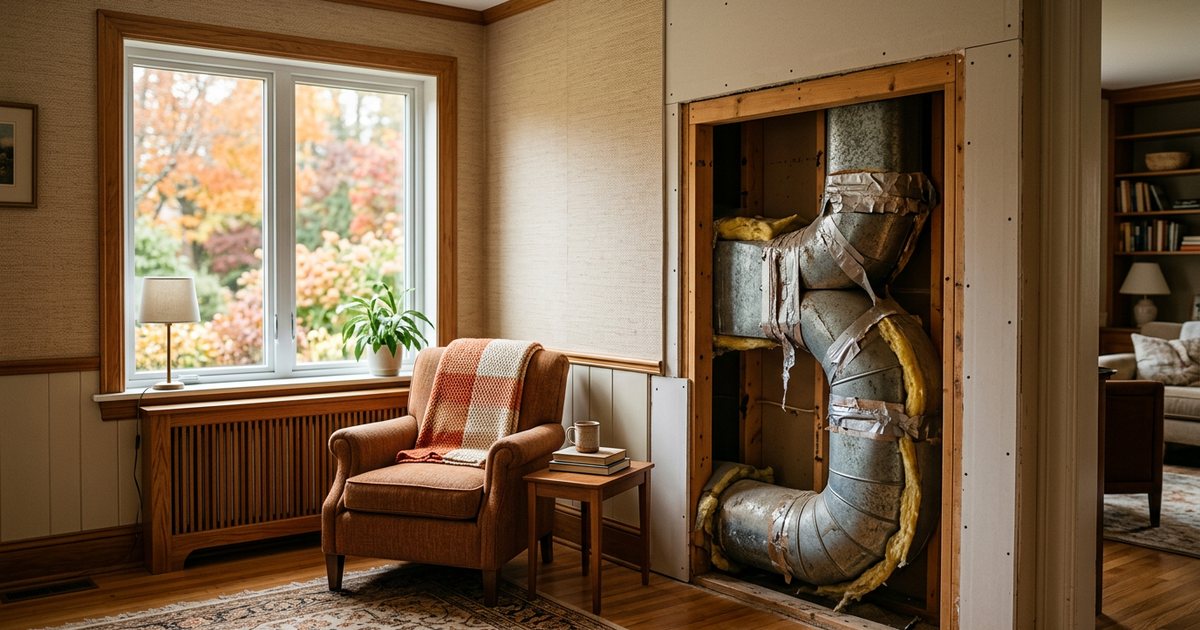
Call a contractor when ducts are buried in walls, floors or ceilings, when you suspect leaks in the return or the air handler cabinet, when any gas or oil appliance shares the space, or when you want a measured result. Aerosol sealing from the inside can reach hidden leaks, though it does not seal leaks in the return, at the air handler or at register-to-finish junctions, and most local codes require a licensed HVAC contractor for it. [9]
If a quote is on the table, the duct sealing cost guide explains what ranges look like and what a good quote includes.
FAQ
How do I know if my ducts are leaking?
Look for disconnected or crushed ducts, open seams at the air handler and boots, and feel for air at joints with the fan running. A duct leakage test gives the real number.
One building science checklist sets a target of preferably 10% or less of total air flow. [2]
Can leaky ducts cause dust problems?
Return-side leaks can pull attic, crawl space or wall-cavity air into the system, which may carry dust. EPA’s concern with leaky return ducts is negative pressure, which it links to radon problems and combustion equipment backdrafting. [3] Dust that returns quickly after cleaning is a reason to inspect returns.
Can I fix leaky ducts with tape?
Only with the right material. DOE studies show ordinary duct tape fails within months. Use mastic, or listed tape marked UL 181. [6] [2]
Is the smoke test safe?
A lit incense stick is a common homeowner trick, but keep it away from insulation and dust, and never use flame in an attic. A professional tester uses fog or pressure instead.
Attics and crawl spaces have heat, nails, loose wiring and sometimes vermiculite insulation, which may contain asbestos; do not disturb it and get it tested before working nearby. If you smell exhaust or your carbon monoxide alarm sounds, leave the house and call for help before touching any ducts.
Sources
- Duct Sealing with ENERGY STAR (flyer). ENERGY STAR (U.S. EPA/DOE), accessed 2026-10-12
- Duct Sealing and Insulation (Home Improvement Expert checklist). Building America Solution Center (PNNL, U.S. DOE), accessed 2026-10-12
- Addressing Indoor Environmental Concerns During Remodeling. U.S. Environmental Protection Agency, accessed 2026-10-12
- Benefits of Duct Sealing. ENERGY STAR (U.S. EPA/DOE), accessed 2026-10-12
- Job Aid 19-1: Seal Ducts With Mastic (Weatherization Assistance Program). U.S. Department of Energy / NREL (Weatherization job aid), accessed 2026-10-12
- Retrofit Techniques and Technologies: Air Sealing (Building America Best Practices Series Vol. 10). U.S. Department of Energy (EERE Building America), accessed 2026-10-12
- Tips on Saving Money and Energy in Your Home (Energy Saver Guide 2022). U.S. Department of Energy (Energy Saver), accessed 2026-10-12
- Air Seal and Repair Ducts (DIY guide). Building America Solution Center (PNNL, U.S. DOE), accessed 2026-10-12
- Injected Spray Sealant for Existing HVAC Ducts (aerosol sealing). Building America Solution Center (PNNL, U.S. DOE), accessed 2026-10-12
Savings, costs and rebate figures are estimates from the dated sources cited on each page; your results depend on your home, climate and utility rates, and incentive programs change often. Gas, venting and electrical work belongs with a licensed professional. This is general information, not financial, tax or legal advice. As an Amazon Associate we earn from qualifying purchases.
